
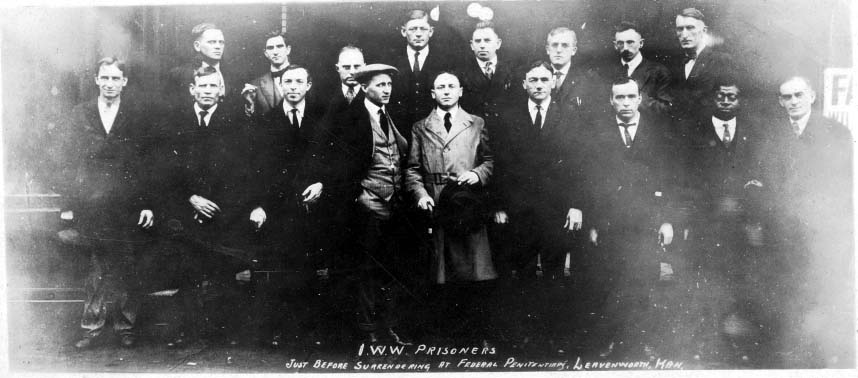

These non-state actors helped communist, antifascist, liberal, socialist, and democratic detainees: they asked for amnesties, the improvement of living conditions, and the release of political convicts; they put pressure on foreign governments, they and exploited techniques of humanitarian campaigns such as subscriptions, fundraising, petitions, local committees, and rallies. Political and strategic interests co-existed with humanitarian ideals and were ideologically framed. The project presents the first systematic and comparative history of organizations mobilized, thus far analysed as a specific historical phenomenon, in order to identify a pattern of mobilization and activity on behalf of political dissidence, and to investigate similarities and differences, continuities and discontinuities over the period, as well as relationships between movement, common or individual strategies, reasons for commitment. It also searches for the entanglements, connections, and linkages between associations and movements, and between movements and political detainees or former detainees.
The project aims:
- to question the idea that political prisoners became an international concern only after the Second World War;
- to insert political crime within debates on humanitarianism and to investigate the emergence of an early humanitarian concern related to political crime;
- to contribute to a new history of international mobilization in the interwar period by analyzing the emergence of a transnational and global civil society or space in the age of nationalism;
- To investigate debates dealing with the definition of political crime.


Based on extensive archival research across different countries, this research is an ambitious project, involving case studies demanding different language competences, and familiarity with specific national, political, and socio-cultural contexts. The project will provide crucial information to the understanding of current controversies and contribute to finding ways to foster scientifically informed policy-making on contemporary political imprisonment. We intend to ask the following questions: when, how, and on which ground did international organizations begin to be interested in political prisoners? When was it legitimate to intervene on behalf of foreign political criminals? When did political repression become a justification for humanitarian intervention? How did the figure of the political prisoner assume a positive connotation?